Living in Massachusetts offers a unique blend of historical charm, coastal beauty, and vibrant urban life. From the cobblestone streets of Beacon Hill to the serene shores of Cape Cod, the Bay State is a wonderful place to call home. However, with the perks of New England living comes the necessity of navigating a complex insurance landscape. Whether you are a long-time resident or a newcomer, understanding the intricacies of home and auto insurance in Massachusetts is crucial for protecting your assets and your peace of mind.
The Massachusetts Auto Insurance Landscape






Auto insurance in Massachusetts is a unique beast, largely due to state-specific regulations and the competitive nature of the market since deregulation in 2008. Unlike many other states, Massachusetts requires specific minimum coverages that every driver must carry. These include Compulsory Bodily Injury to Others, Personal Injury Protection (PIP), Bodily Injury Caused by an Uninsured Auto, and Damage to Someone Else’s Property.
While the state minimums keep you legal, they rarely provide enough protection in the event of a significant accident. Most experts recommend increasing your limits, especially for Bodily Injury and Property Damage. In a state where luxury vehicles and high medical costs are common, a standard $20,000/$40,000 policy can be exhausted in the blink of an eye. Furthermore, optional coverages like Collision and Comprehensive are essential if you want to protect your own vehicle against theft, vandalism, or the infamous New England potholes and winter road salt.
One specific quirk of Massachusetts auto insurance is the Safe Driver Insurance Plan (SDIP). This system tracks your driving history and assigns points for traffic violations and at-fault accidents. A clean record can lead to substantial discounts, while a history of speeding tickets can send your premiums skyrocketing. It pays—literally—to be a cautious driver in the Commonwealth.
Protecting Your Hearth: Home Insurance in MA
When it comes to home insurance, Massachusetts residents face challenges ranging from aging infrastructure to unpredictable weather. A standard HO-3 policy is the most common choice, covering your dwelling, personal property, and liability. However, the ‘standard’ coverage may not always be enough.
For homeowners in coastal areas like the North Shore or the South Shore, windstorm and flood insurance are critical considerations. Standard home policies typically exclude flood damage, requiring a separate policy through the National Flood Insurance Program (NFIP) or a private carrier. Given the increasing frequency of Nor’easters and rising sea levels, this isn’t an area where you want to cut corners.
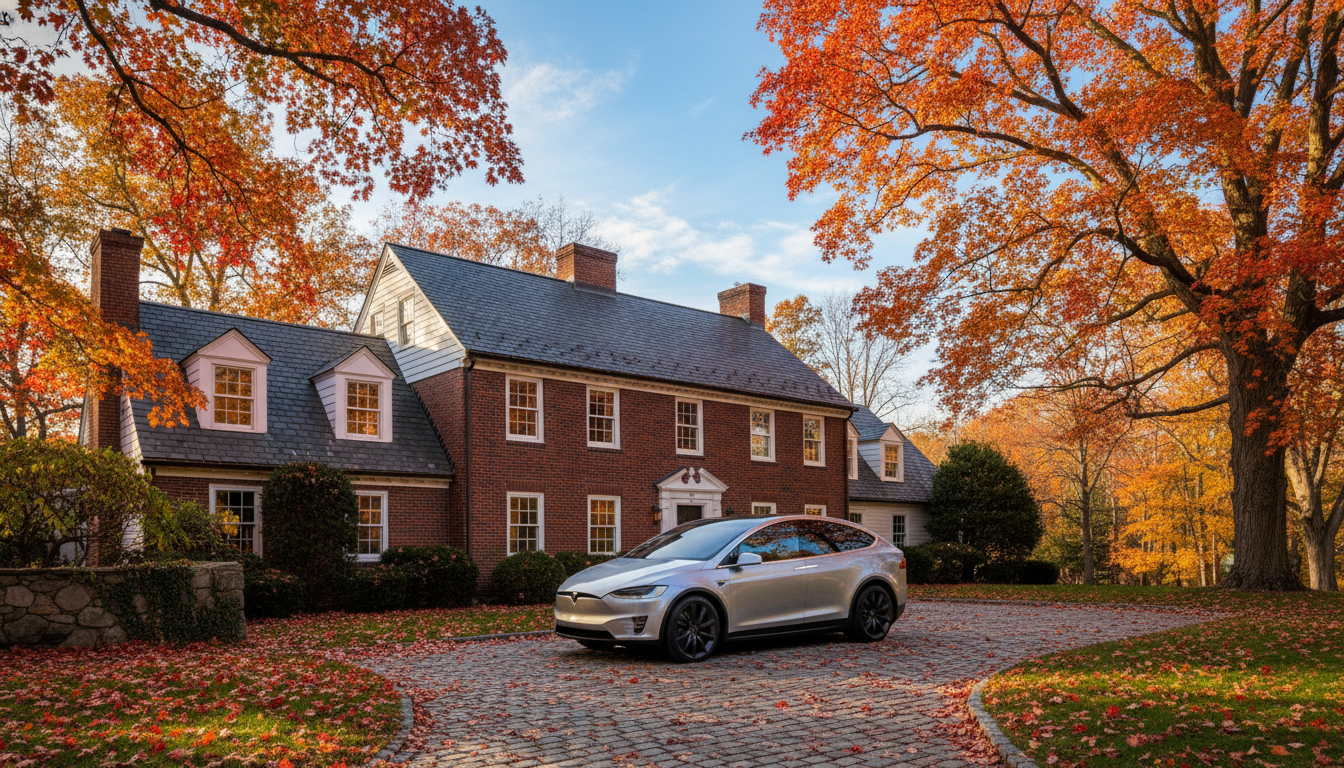
Another factor to consider is the cost of rebuilding. Massachusetts has some of the highest construction costs in the country. If your policy is based on the market value of your home rather than the replacement cost, you might find yourself underinsured if a disaster strikes. Always opt for ‘Extended Replacement Cost’ coverage to ensure that your home can be rebuilt to its original state, even if labor and material costs spike after a widespread catastrophe.
The Power of the Bundle
Perhaps the most effective strategy for managing insurance costs in Massachusetts is ‘bundling.’ By purchasing both your home and auto insurance from the same carrier, you can often unlock significant ‘multi-policy’ discounts. In the Bay State, these discounts can range from 10% to 25% off your total premiums.
Beyond the financial savings, bundling simplifies your financial life. You have a single point of contact for claims, one renewal date to remember, and often a unified online portal to manage your policies. Many insurers also offer additional perks for bundled customers, such as single-deductible events. For example, if a heavy storm knocks a tree branch onto both your roof and your car, some bundled policies allow you to pay only one deductible instead of two.
Factors Influencing Your Rates
Several factors play a role in determining what you pay for home and auto insurance in Massachusetts. For auto insurance, your ZIP code is a major factor; urban areas like Boston or Worcester typically see higher rates due to increased traffic density and theft risks compared to rural towns in the Berkshires. Credit history also plays a role in Massachusetts, though it is used differently than in other states due to consumer protection laws.
For home insurance, the age of your roof, the proximity of your home to a fire hydrant, and even the breed of your dog can influence your premiums. Installing security systems, smoke detectors, and water-shutoff valves can often lead to further discounts. It’s always worth asking your agent about ‘loss mitigation’ discounts that reward you for making your home safer.
Choosing the Right Partner
In Massachusetts, you have the choice between ‘Direct Writers’—large national companies that sell directly to consumers—and ‘Independent Agents.’ While direct writers offer convenience and often slick mobile apps, independent agents can provide a more personalized touch. They represent multiple insurance companies and can shop around on your behalf to find the best combination of price and coverage.
Ultimately, the ‘best’ insurance isn’t just the cheapest. It’s the policy that provides the coverage you need when things go wrong. Whether you’re commuting down Route 128 or enjoying a quiet evening in a suburban backyard, having the right home and auto insurance ensures that your Massachusetts dream remains secure.
In conclusion, take the time to review your policies annually. The insurance market in Massachusetts is dynamic, and new discounts or coverage options may become available. By staying informed and leveraging the power of bundling, you can protect your assets effectively without breaking the bank.