Is Vision Therapy Covered by Insurance? Navigating the Complex World of Vision Care and Reimbursement

When it comes to pediatric eye care or rehabilitative optometry, few questions are as common—or as frustrating—as “is vision therapy covered by insurance?” It is a query that often comes from parents whose children are struggling with reading or from adults recovering from a traumatic brain injury. The answer, unfortunately, is rarely a simple “yes” or “no.” Instead, it lies in a grey area of medical necessity, specific plan language, and diagnostic codes.
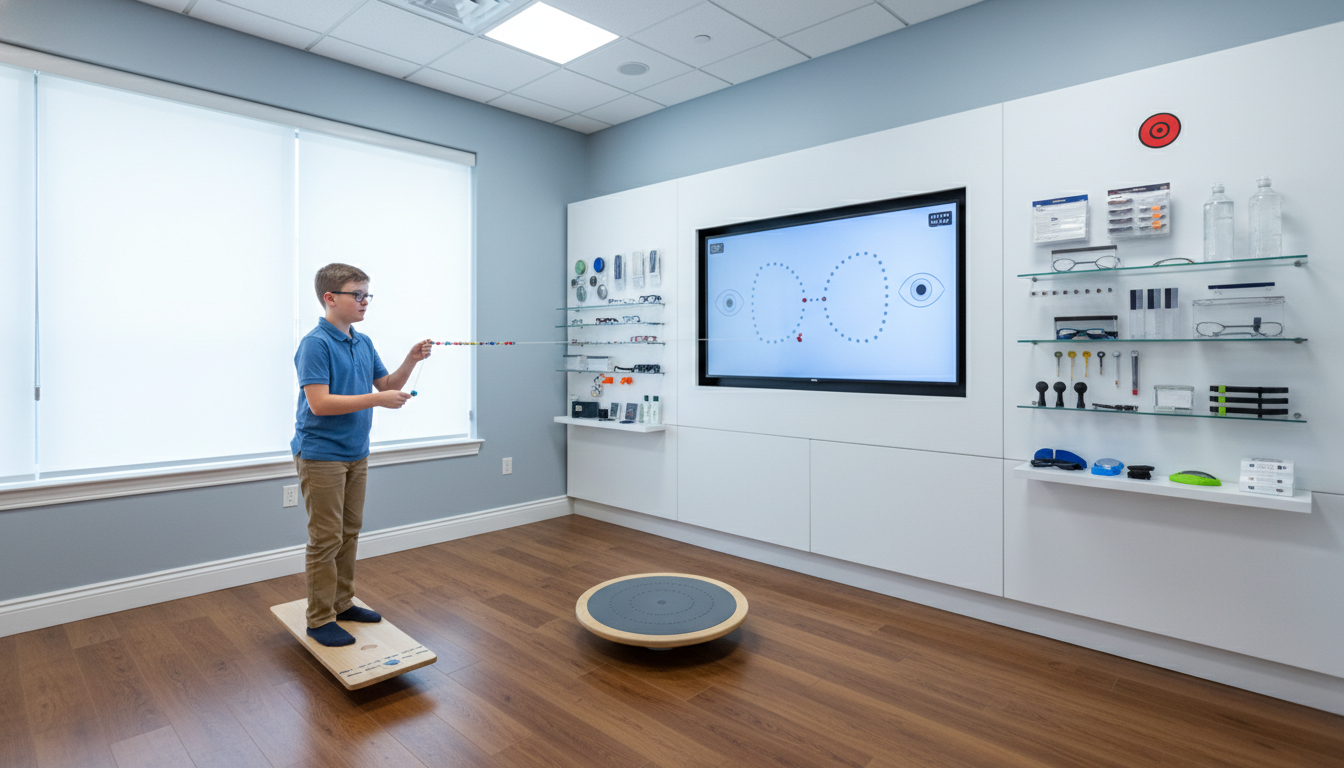
Vision therapy is essentially a program of progressive sensory-motor activities, often likened to physical therapy for the eyes and the brain. It is designed to improve visual skills such as eye-teaming, focusing, and tracking. While the clinical benefits are well-documented, the financial side of the equation can feel like navigating a labyrinth. In this deep dive, we will explore the nuances of insurance coverage for vision therapy, the common hurdles patients face, and how you can maximize your chances of getting a claim approved.






Understanding the Two Types of Insurance
To understand coverage, we first have to distinguish between medical insurance and vision insurance. Vision insurance (like VSP or EyeMed) typically covers routine eye exams, glasses, and contact lenses. They are generally not designed to cover therapy. Vision therapy is almost always billed under medical insurance (like Blue Cross Blue Shield, Aetna, or UnitedHealthcare).
Medical insurance providers view vision therapy through the lens of “medical necessity.” If a condition is deemed a medical issue—such as strabismus (eye turn), amblyopia (lazy eye), or vision loss due to a stroke—there is a much higher chance of coverage. However, if the therapy is seen as purely educational or related to learning disabilities, insurers often pull back the reins.
The Hierarchy of Coverage: What Usually Gets Approved?
Not all diagnoses are treated equally in the eyes of an insurance adjuster. Generally, insurance companies categorize vision therapy candidates into three tiers:
1. High Probability of Coverage: This includes conditions like convergence insufficiency, strabismus, and amblyopia. For instance, many major insurers have specific policies stating that vision therapy is a proven treatment for convergence insufficiency, a condition where the eyes don’t work together properly while looking at nearby objects.
2. Moderate Probability: This includes visual field defects or ocular motor dysfunction resulting from physical trauma or neurological events (like a concussion or car accident). In these cases, the therapy is part of a broader rehabilitative protocol.
3. Low Probability: This is the most frustrating category. It includes vision-related learning problems or “visual processing” issues. Even if a child’s reading speed improves drastically through therapy, insurance companies often label this as “educational” rather than “medical,” denying the claim regardless of the clinical outcome.
The Power of CPT Codes and Documentation
When a vision therapist submits a claim, they use specific CPT (Current Procedural Terminology) codes. The most common code for vision therapy is 92065 (orthoptic training). Whether or not this code is covered depends heavily on the ICD-10 (diagnosis) code attached to it.
If the diagnosis code is for a medical condition, the insurance system is more likely to process it smoothly. If the diagnosis is more vague, it may trigger an automatic denial. This is why thorough documentation from your developmental optometrist is vital. They must provide “objective” findings—meaning hard data like degrees of eye deviation or measurable tracking speeds—rather than just subjective complaints like “the patient has trouble reading.”
Why Denials Happen (And How to Fight Them)
Even with a clear medical need, denials happen. Common reasons include:
- Experimental/Investigational Labels: Some insurers still view certain types of vision therapy as experimental, despite decades of clinical research.
- Exclusion Clauses: Some employer-sponsored plans have specific “carve-outs” that explicitly exclude any form of vision therapy.
- Lack of Pre-Authorization: Many plans require you to get a “thumbs up” before starting the sessions. If you skip this step, they have a convenient reason to deny the bill.
- Flexible Spending Accounts (FSA) and Health Savings Accounts (HSA): These allow you to use pre-tax dollars to pay for therapy, which can effectively save you 20-30%.
- Payment Plans: Most specialized clinics offer monthly payment options or third-party financing like CareCredit.
- Sliding Scales: Some university-based eye clinics offer lower rates for patients who demonstrate financial need.
If you receive a denial, do not panic. You have the right to appeal. An appeal often requires a Letter of Medical Necessity from your doctor, which explains why the therapy is essential for your daily functioning. Sometimes, pointing out that vision therapy is more cost-effective than surgery can sway an insurer’s decision.
Out-of-Pocket Realities and Alternatives
If you find yourself in a situation where insurance simply won’t budge, the financial burden falls on you. Vision therapy isn’t cheap; a full course can range from $2,000 to $7,000 depending on the duration and the clinic’s location.
However, there are ways to manage these costs:
Actionable Steps Before Starting Therapy
Before you sign a contract for a 24-week therapy program, take these three steps:
1. Request the CPT and ICD-10 Codes: Ask your optometrist exactly which codes they will use for billing.
2. Call Your Insurer Personally: Don’t rely on the doctor’s office to do it. Ask specifically: “Does my plan cover CPT code 92065 for [your diagnosis code]?”
3. Get it in Writing: If they say it is covered, ask for a reference number for the call or a written pre-determination.
Conclusion
While the path to insurance reimbursement for vision therapy is often paved with paperwork and fine print, it is a journey worth taking. The impact of successful therapy—improved school performance, the ability to drive safely after an injury, or the elimination of chronic headaches—is life-changing. By understanding the distinction between medical and vision insurance, ensuring your doctor provides robust documentation, and being prepared to advocate for yourself through the appeals process, you can make vision therapy a financially viable reality.