Navigating the Menu of Protection: A Comprehensive Guide to Obtaining a Restaurant Insurance Quote

Running a restaurant is much like conducting a complex symphony. From the rhythmic chopping in the kitchen to the delicate dance of the waitstaff, every element must work in harmony to deliver a memorable dining experience. However, even the most seasoned restaurateurs know that behind the scenes, risks lurk in every corner—ranging from a slippery floor in the dining room to a kitchen fire that halts operations. This is where the importance of a robust insurance policy comes into play. But before you can secure coverage, you must first navigate the process of obtaining a restaurant insurance quote. This article delves into the nuances of what makes a quote, why it matters, and how you can ensure you are getting the best value for your culinary venture.
Understanding the Essence of a Restaurant Insurance Quote




At its core, a restaurant insurance quote is an estimate provided by an insurance carrier detailing the premium costs and coverage limits for your specific business. It is not merely a price tag; it is a blueprint for your financial safety net. Because no two restaurants are identical—a high-end steakhouse faces different risks than a suburban coffee shop—quotes are highly customized. They take into account your location, the type of food you serve, your annual revenue, and your history of past claims.
When you request a quote, you aren’t just shopping for the lowest number. You are seeking a partnership with an insurer who understands the volatility of the hospitality industry. A formal yet relaxed approach to this process involves viewing the quote as a ‘diagnostic checkup’ for your business’s health. It forces you to look at your operations through a lens of risk management, identifying areas where you might be vulnerable.
The Essential Ingredients of Coverage
A comprehensive quote usually bundles several types of coverage into a Business Owner’s Policy (BOP) or a customized package. To understand the quote you receive, you must understand the components typically included:
1. General Liability Insurance: This is the bedrock of restaurant coverage. It protects you against third-party claims of bodily injury (like a slip-and-fall) or property damage.
2. Commercial Property Insurance: This covers your physical assets, including the building, kitchen equipment, furniture, and even your signage, against perils like fire or theft.
3. Liquor Liability Insurance: If your establishment serves alcohol, this is non-negotiable. It protects you if a patron becomes intoxicated and causes harm to themselves or others.
4. Workers’ Compensation: Essential for protecting your ‘back-of-house’ and ‘front-of-house’ teams. It covers medical bills and lost wages if an employee is injured on the job.
5. Business Interruption Insurance: If a disaster forces you to close temporarily, this coverage helps replace lost income and pays for ongoing expenses like rent and payroll.
Factors That Influence Your Quote’s Pricing
Why does one restaurant pay $2,000 a year while another pays $10,000? Several variables dictate the final figure on your restaurant insurance quote. Understanding these can help you manage your expectations and potentially lower your costs.
Location and Venue: A restaurant in a high-crime area or a region prone to natural disasters (like floods or hurricanes) will naturally see higher premiums. Additionally, the age of the building matters; older structures with outdated wiring or plumbing represent a higher risk for fire or water damage.
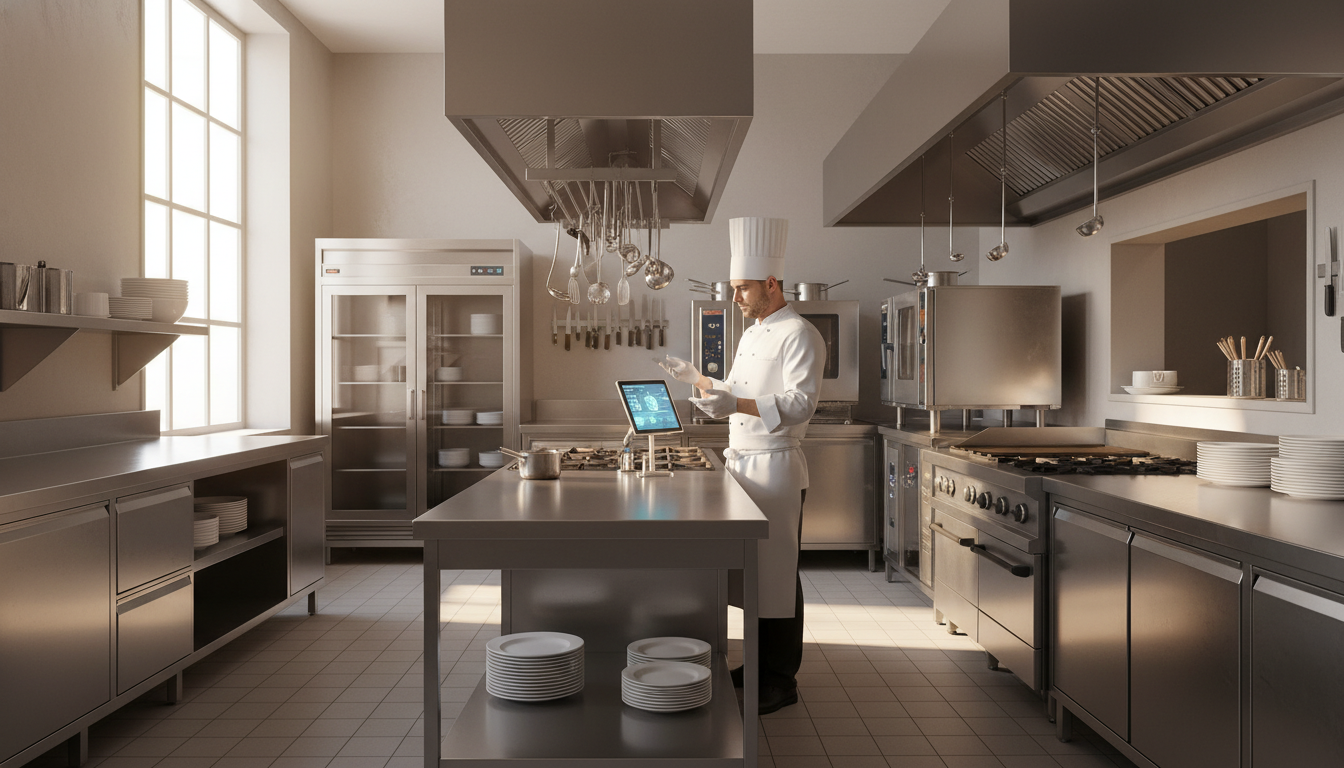
Menu and Cooking Methods: Believe it or not, what you cook matters. Establishments that use deep fryers and open flames (high-heat cooking) carry a higher fire risk than a sandwich shop that uses convection ovens. Insurers will also look at whether you offer delivery services, as this introduces auto-related risks.
Revenue and Payroll: The scale of your operation is a primary driver of cost. Higher revenue often correlates with more foot traffic, which increases the statistical likelihood of an accident. Similarly, a larger payroll means higher Workers’ Compensation premiums.
Claims History: Your past behavior is often seen as a predictor of future risk. A restaurant with a ‘clean’ history—no previous lawsuits or major insurance payouts—will always receive more favorable quotes than one with a history of frequent incidents.
How to Secure an Accurate and Competitive Quote
To get the most accurate quote, preparation is key. Think of it as ‘mise en place’ for your insurance shopping. You will need to provide detailed information, including your Federal Employer Identification Number (FEIN), estimated gross sales, total square footage, and details regarding your safety systems (such as fire extinguishers and burglar alarms).
It is often wise to work with an independent agent who specializes in the hospitality niche. Unlike ‘captive’ agents who represent only one company, independent agents can shop your profile across multiple carriers to find the best fit. When reviewing the quotes, don’t just look at the premium. Check the deductibles—the amount you pay out of pocket before insurance kicks in. A lower premium might seem attractive, but if the deductible is prohibitively high, it could strain your cash flow during a crisis.
The Value of Regular Reviews
Your restaurant is a living, breathing entity. Perhaps you’ve added a new outdoor patio, started a catering wing, or upgraded to a high-end wood-fired pizza oven. These changes alter your risk profile. Therefore, obtaining a restaurant insurance quote shouldn’t be a one-time event. It is a best practice to review your coverage annually or whenever a significant change occurs in your business.
By staying proactive, you ensure that your ‘recipe’ for protection remains current. A well-tailored insurance policy provides the peace of mind necessary to focus on what you do best: creating exceptional food and providing top-tier service. In the end, the right insurance quote is the secret ingredient that ensures your restaurant can weather any storm and continue to serve your community for years to come.