Can You Cancel a Car Insurance Claim? A Comprehensive Guide to Navigating the Aftermath of an Accident

Life moves fast, and accidents happen even faster. One moment you are cruising down the street, and the next, you are staring at a dented bumper or a cracked headlight. In the immediate adrenaline rush of a fender-bender, your first instinct is likely to pick up the phone and call your insurance provider. You want the peace of mind that comes with knowing the repairs are covered. However, once the dust settles and you receive a repair estimate, you might start to have second thoughts. Perhaps the damage is only slightly higher than your deductible, or maybe you’ve realized that paying out of pocket is cheaper than the inevitable premium hike. This leads to the golden question: Can you cancel a car insurance claim once it has been filed?
The short answer is yes—in most cases, you can withdraw or cancel a car insurance claim. However, the process isn’t always as simple as hitting an ‘undo’ button, and there are several nuances you need to understand before you make that call to your adjuster. This article dives deep into the mechanics of cancelling a claim, the reasons why you might want to, and the long-term implications for your insurance profile.





Why Would You Want to Cancel a Claim?
Before we get into the ‘how,’ let’s look at the ‘why.’ It might seem counterintuitive to turn down money from an insurance company you pay monthly premiums to, but there are several strategic reasons to do so:
1. High Deductibles vs. Low Repair Costs: If your deductible is $1,000 and the repair estimate comes back at $1,100, the insurance company will only pay $100. Filing a claim for a $100 payout is rarely worth the potential increase in your premium over the next three to five years.
2. The Risk of Premium Surcharge: Most insurance companies apply a surcharge to your policy after an at-fault accident. These increases can range from 20% to 40% of your annual premium. Over several years, you could end up paying thousands more in premiums just to cover a minor repair today.
3. Preserving a ‘No-Claims’ Bonus: Many insurers offer discounts to drivers who haven’t filed a claim within a certain period. Cancelling a minor claim could help you keep this valuable discount intact.
4. Ability to Fix It Yourself: If you are a DIY enthusiast or have a trusted mechanic friend who can do the job for the cost of parts, it often makes more sense to handle it privately.
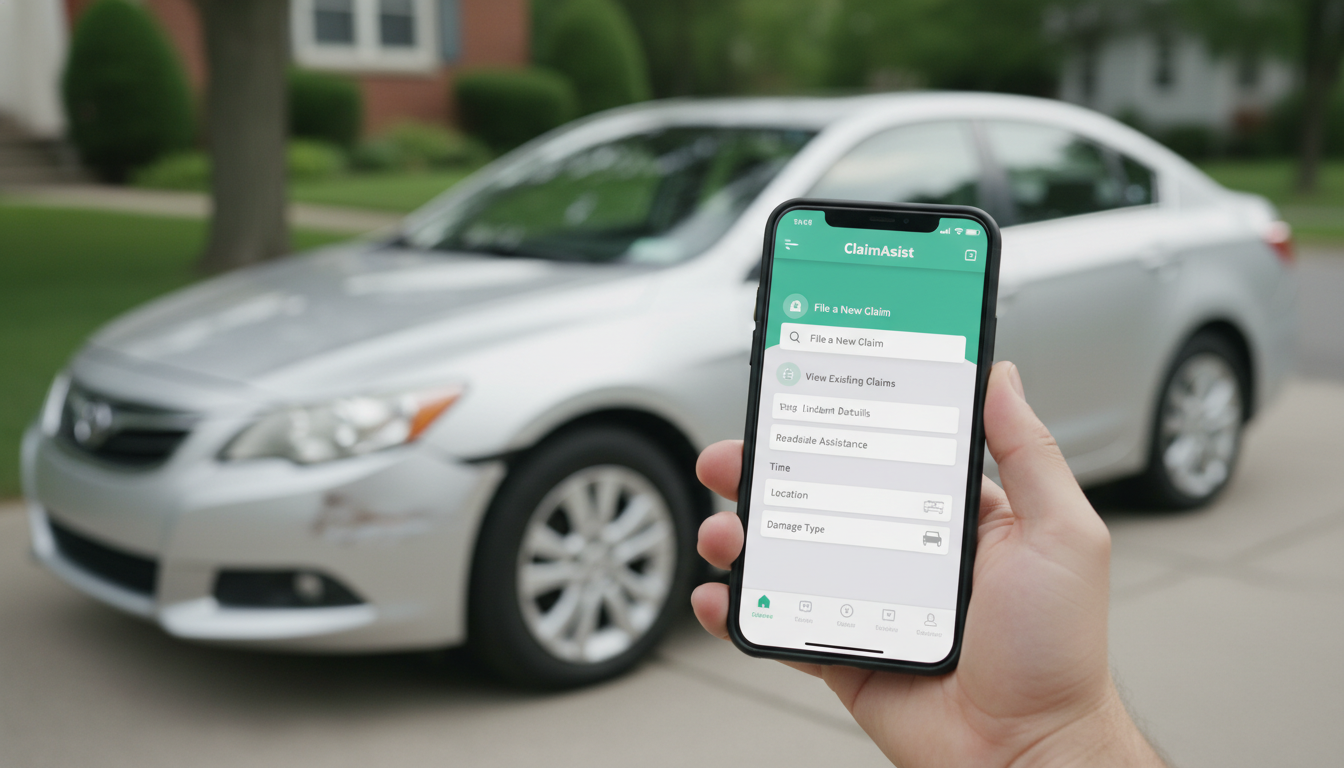
The Process of Cancelling a Claim
If you have decided that filing the claim was a mistake, you should act as quickly as possible. Here is how the general process works:
1. Contact Your Claims Adjuster Immediately
Once a claim is filed, an adjuster is assigned to your case. Reach out to them and clearly state that you wish to withdraw the claim. You do not necessarily need a complex legal reason; simply stating that you have decided to handle the repairs out of pocket is usually sufficient.
2. The ‘No-Pay’ Status
When you cancel a claim, the insurance company will mark the claim as ‘closed without payment’ (CWP). This signifies that while an incident was reported, no funds were disbursed by the insurer to the policyholder or a third party.
3. Document Everything
Always ask for a written confirmation (via email or letter) stating that the claim has been closed at your request and that no payout was made. This documentation can be vital if you switch insurers later and need to explain the entry on your record.
When You CANNOT Cancel a Claim
While withdrawing a claim is generally allowed, there are specific scenarios where your hands are tied:
- Third-Party Involvement: If you were in an accident involving another driver and you were at fault, you cannot simply ‘cancel’ the claim if the other party is seeking damages. Your insurance company has a legal obligation to handle the liability portion of the claim if the other driver files against your policy.
- The Check Has Been Cashed: If the insurance company has already issued a payment and you have cashed the check or the funds have been sent to a repair shop, it is usually too late to cancel. You have already accepted the benefit of the policy.
- Total Loss Scenarios: If your vehicle has been declared a total loss and the title has already begun the transfer process to the insurer, reversing the claim is extremely difficult, if not impossible.
The ‘Permanent Record’ Reality
Here is the catch that many policyholders don’t realize: even if you cancel a claim and receive $0, the incident may still appear on your insurance record. Most insurance companies in the United States use a database called C.L.U.E. (Comprehensive Loss Underwriting Exchange). When you call to report an accident, an entry is created.
Even a cancelled claim tells an insurer that you were involved in an ‘event.’ While a ‘closed without payment’ claim is viewed much more favorably than a paid claim, some insurers may still consider the frequency of reported incidents when calculating your risk profile. If you have five cancelled claims in two years, you might still be viewed as a high-risk driver because you are frequently involved in near-misses or minor accidents.
Strategic Advice for the Future
To avoid the dilemma of whether or not to cancel a claim, consider adopting a ‘wait and see’ approach for minor damage. Unless there is an emergency or significant liability involved, you often have a window of time (depending on your state and policy) to report an accident.
Get an independent repair estimate first. If the cost to fix the car is $800 and your deductible is $500, think long-term. Is $300 worth the risk of a $400 annual premium increase? Probably not. By checking the repair costs before calling the insurer, you keep your C.L.U.E. report pristine.
Conclusion
In the world of car insurance, you are the customer, and you generally have the right to change your mind about seeking reimbursement for a loss. Cancelling a claim is a smart financial move when the math doesn’t add up in your favor. However, remember that insurance is ultimately there for the ‘big’ stuff—the catastrophic losses that you couldn’t possibly afford on your own. For the small dents and scratches, sometimes the best claim is the one that was never made. Stay informed, act quickly, and always weigh the immediate payout against the long-term cost of your premiums.